How concerned should you be about cyber attacks?

Do you feel like you’re constantly hearing about cyber attacks lately?

You’re not imagining things.

Cyber attacks are on the rise. And they’ve overtaken other risks as the number one concern for many businesses worldwide. From ransomware and data breaches to IT disruptions that bring operations to a standstill, cyber threats are keeping business owners up at night – and for good reason.

Imagine losing access to your customer database, having sensitive information leaked, or being locked out of your systems until you pay a large ransom. These aren’t just hypothetical scenarios… this is the nightmare faced by businesses of all sizes every day.

If your business becomes a victim of a cyber attack, the impact could be devastating. It can lead to everything from financial loss to a damaged reputation, not to mention the cost of downtime while your business recovers.

Advancements in technology – especially artificial intelligence (AI) – have given cyber criminals access to more sophisticated tools, making it easier for them to launch attacks.

Cyber incidents are one of the main reasons for business interruption, which is where operations grind to a halt due to unexpected events (like glitches and cyber attacks). As our dependence on digital tools grows, so does the need to protect them.

We bring good news. While cyber threats are evolving, so are the tools designed to combat them. AI-powered technologies can provide better insights, help detect threats earlier and allow for faster responses.

But even with advanced tools, the human element remains crucial. Your employees need to understand the risks and be trained to recognise potential threats, whether it’s a suspicious email or unusual activity in your systems.

So, how concerned should you be about cyber attacks?

Very.

We see that as a good thing. The more aware you are about how serious these threats are, the better you can protect your business. The key is to be proactive. Stay informed, invest in strong security measures, and make your team one of your greatest defences.

If that sounds overwhelming, don’t worry; we can help prepare your employees and make your systems safer. Get in touch.
Like this article?

Share on Facebook
Share on Twitter
Share on Linkdin
Share on Pinterest

Related Posts

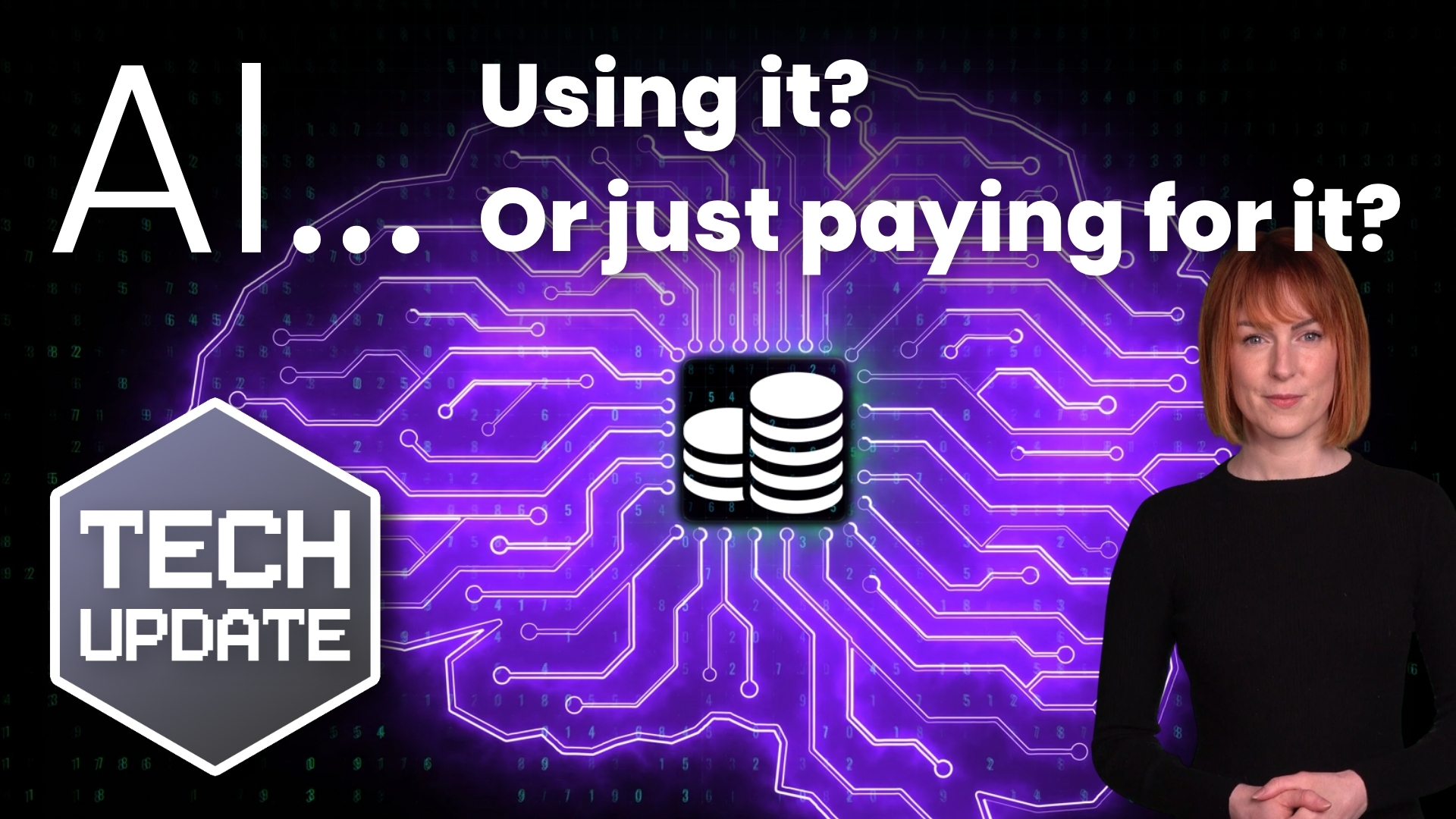
Are you measuring AI… or just paying for it?

Are you measuring AI… or just paying for it?

Most businesses can tell you which AI tools they’re paying for.
But fewer can tell you which ones are delivering a return.
If you stopped paying for one of them tomorrow, would anyone even notice…?

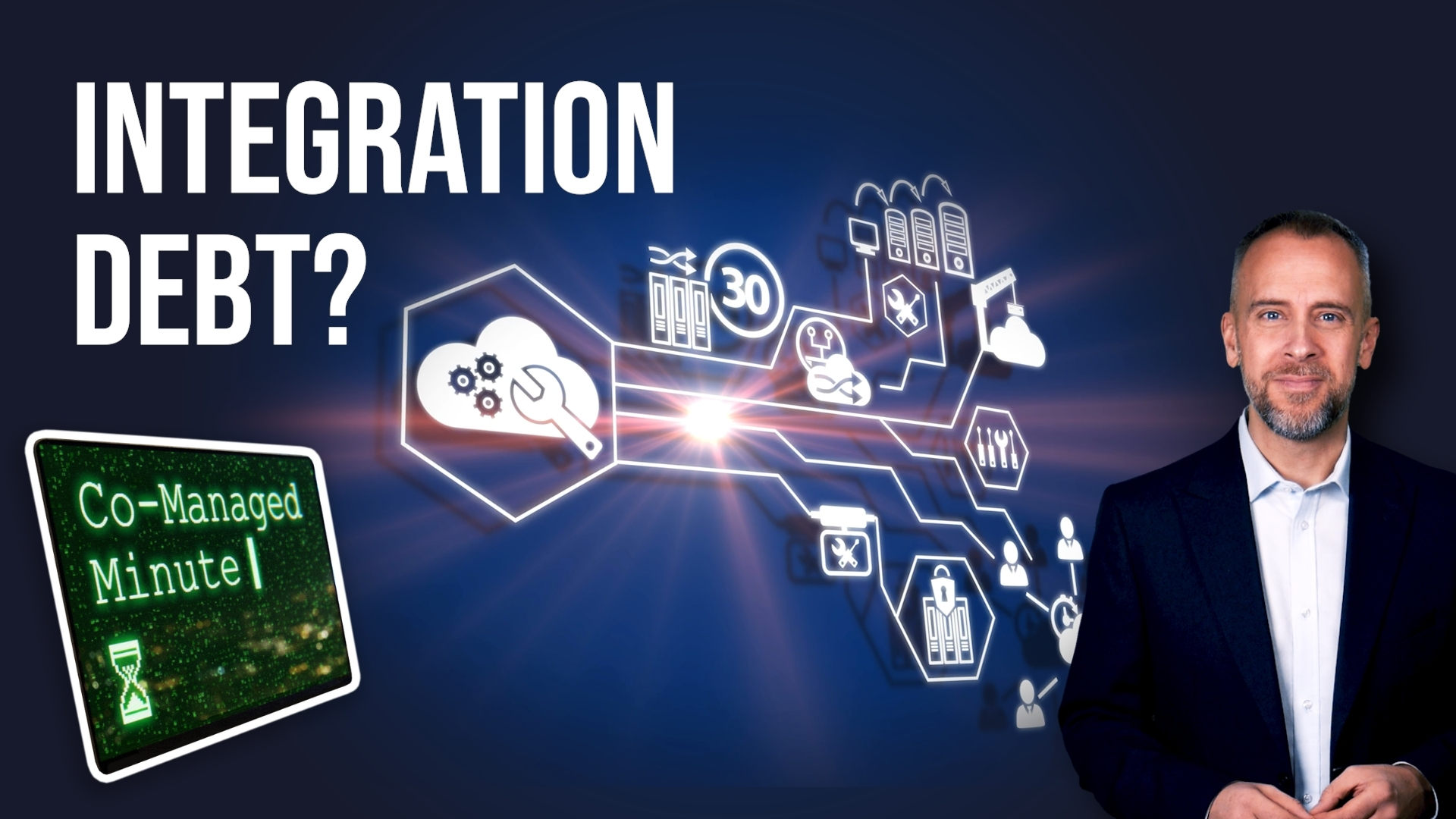
Why integration debt deserves more attention

Why integration debt deserves more attention

Integrations don’t usually demand much attention.
It’s easy to assume everything’s fine.
Then a supplier changes something, a project reaches a critical stage, or a platform is upgraded.
Suddenly those connections become a lot more important than they were yesterday…

Free Two people analyzing business graphs and documents at an office desk. Stock Photo

What to Ask a Software Vendor AfterThey Report a Data Breach

Article Summary: Confirm that the notice is genuine, then ask whether your business was affected, what information was exposed, when the breach happened, and whether any passwords, access tokens, or connected systems need attention. Keep written records of the vendor’s answers and involve your IT provider, insurer, or legal adviser when needed. You’ve just found

Free Contemporary glass office building surrounded by lush green grass in daylight. Stock Photo

How to Make Sure Your Business Owns Its Domain Name

Article Summary: Your business should control the account where its domain is registered. The registration details, recovery methods, billing information, renewal settings, and DNS access should not depend on one employee, contractor, web designer, or IT provider. Once your website and email are working, the domain name rarely needs day-to-day attention. Renewal may happen automatically,

Microsoft is preparing for a cyber threat that hasn’t happened yet

Microsoft is preparing for a cyber threat that hasn’t happened yet

Businesses that handle change well usually have one thing in common: They start preparing long before they must.
That applies to technology as much as anything else.
Some of the biggest cybersecurity decisions being made today are about protecting against threats that haven’t even arrived yet…